
⚡ Quick Answer:
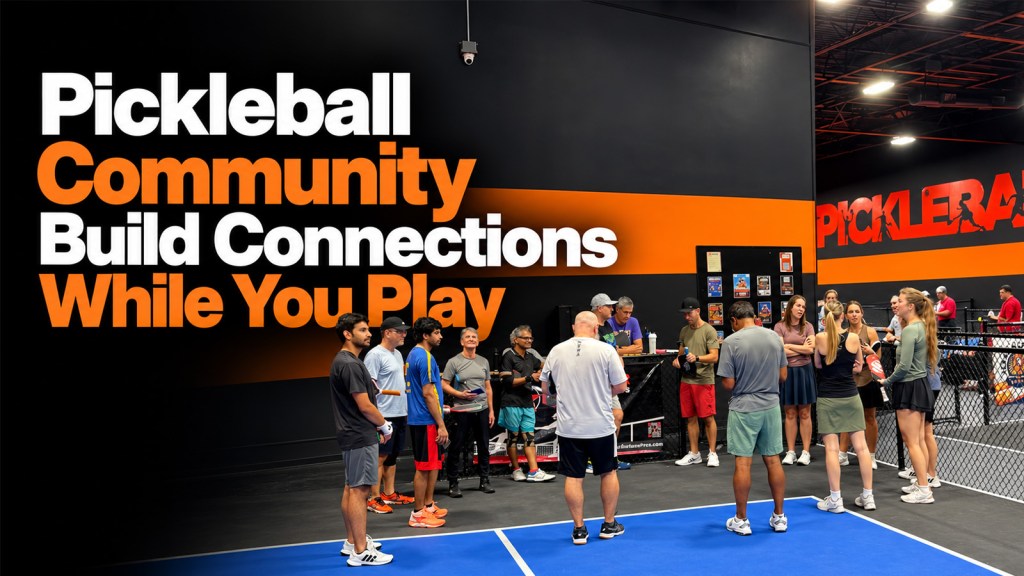
A pickleball community forms easily because the game is built for interaction. Courts are compact, doubles puts you next to a partner, games are short, and open play and round robins rotate you through new partners. Add beginner clinics, social nights, and leagues, and strangers become familiar faces quickly.
Pickleball gives people a reason to show up. A good pickleball community gives them a reason to come back. You might arrive for exercise or to improve your game. After a few sessions, you may find you’re looking forward to seeing the same people. This guide covers why pickleball works so well for meeting people, which formats help most, and how to make the first move if you’re new.
Why a Pickleball Community Forms So Easily
Making friends as an adult is awkward. You can’t walk up to a stranger and suggest becoming friends. Pickleball removes that first step because you already have something to do together: a court, a ball, and a shared goal.
The game’s design helps too:
Compact courts. Players stay close, so conversation happens naturally.
Doubles. You communicate with your partner on every point.
Short games. Partners and opponents change often.
Built-in small talk. “Nice shot,” “Want to rotate?” and “Have you played here before?” are normal things to say.
Five minutes later, you’re talking about work, family, or the last tournament you watched.
Easy Icebreakers for New Players
| What to say | Why it works |
|---|---|
| Is this your first game today? | Opens an easy conversation |
| How long have you been playing? | Invites experienced players to share tips |
| Do you usually play here? | Can lead to future games |
| I’m still learning. Any beginner tips? | Makes it easy for others to help |
| Want to rotate partners next game? | Creates another chance to connect |
You don’t need a perfect opening line. You just need to start.
Pickleball’s Growth Means More People to Play With
The Sports & Fitness Industry Association (SFIA) reports that 24.3 million Americans played pickleball in 2025, up from 4.2 million in 2020. That is more than a fivefold increase in five years.
The player base is also broadening. SFIA’s 2026 findings, as summarized by Recreation Management, show that players ages 13 to 24 had the highest participation rates of any age segment. Women made up 42.9% of players in 2025, up from 38.6% in 2020.
The takeaway: you’ll find teenagers, parents, young professionals, retirees, beginners, and competitive players, which makes a local pickleball community interesting.
The Best Formats for Meeting People Through Pickleball
Open Play and Rotating Partners
Open play is the simplest entry point. The best way to meet more people is to avoid playing with the same partner all day. Rotating exposes you to different personalities, skill levels, and conversations, and it keeps groups from becoming closed circles.
Play a game, meet two or three people, rotate, and repeat. The first time you see someone, they’re a stranger. The fifth time, they’re familiar. By the tenth, they might ask where you were last week. That’s when a community starts to feel like one.
Round Robins
In a pickleball round robin, players rotate through different partners and opponents instead of forming permanent teams. It’s almost impossible to spend a whole session talking to only one person. It also helps beginners find players near their level, so everyone gets meaningful court time.
Beginner Clinics
Everyone in a clinic is learning, which creates instant equality. You make mistakes together, celebrate improvement together, and leave knowing people as well as a new technique. Group clinics suit anyone who feels nervous about walking into open play with strangers, because introductions happen naturally in a structured setting.
Community Programs at Texas Pickleball in Roanoke
If you’re in the DFW area, these are formats currently listed on the Texas Pickleball site:
| Format | What it offers |
|---|---|
| Open play | Daily sessions for all ages and skill levels, plus a senior (55+) open play |
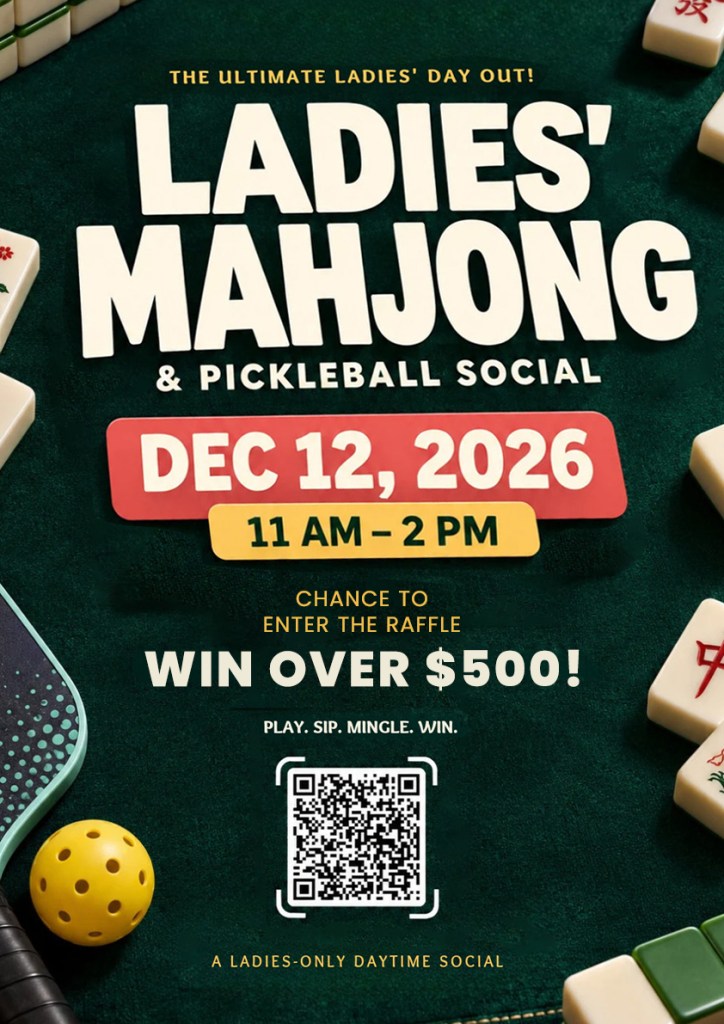
| Ladies Pickleball Social | A supportive women’s environment for friendly matches. See the ladies social night guide |
| Singles & Mingles Pickleball Night | Partner matching, games, and a chance to meet new people |
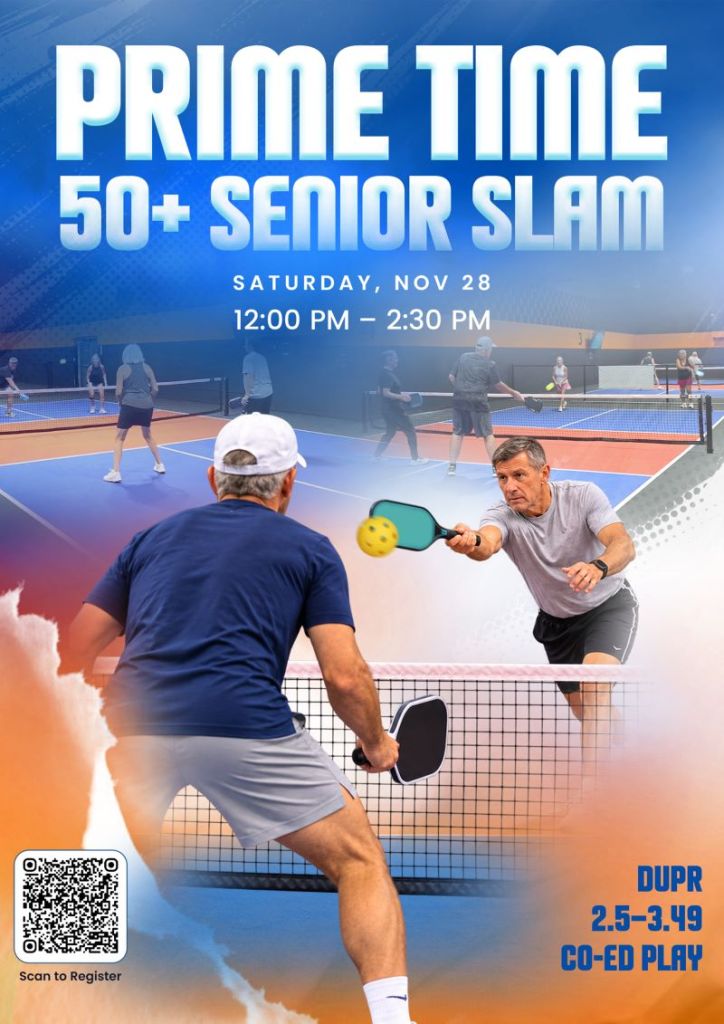
| Prime Time 50+ Senior Slam | Rating-based partner play for players 50+ at DUPR 3.0–3.49 |
| Ladder League | A 4-week round-robin, King of the Court format with rotating opponents |
| DUPR Showdown (2.8–3.5 rated) | DUPR-matched round-robin play |
Schedules and formats change, so check the events page and open play page for current details. New players can also start with a free Drop-In Membership. See membership options.
Find Your Pickleball Match
Answer 3 quick questions and we’ll point you to the Texas Pickleball format that fits you best.
Loading quiz…
If the quiz does not load, see the Community Programs table above to compare every format, or visit open play to get started.
How to Be a Player People Want to See Again
You don’t need to be the best player. You need to be a good teammate.
- Keep the energy positive. Celebrate good shots from both sides.
- Help without taking over. Offer a tip if someone is new, but don’t turn every rally into a lesson.
- Respect different skill levels. Not every game needs to be competitive.
- Welcome newcomers. If someone is standing nearby looking unsure, invite them in. That one invitation could be the reason they come back next week.
How a Pickleball Community Extends Beyond the Court
A strong community doesn’t stop at the last point. Players start doing things together: coffee after play, group chats, potlucks, holiday get-togethers, tournament trips, or watching professional matches together. Small traditions help too, like Friday social play or snacks on Sundays. They give people something to look forward to, and that is what separates playing a sport from belonging to a sporting community.
If your group wants to celebrate something together, see how to plan an event at the facility.
A Simple Routine for Turning Play Into Belonging
Consistency matters more than quantity. This is one rhythm that works, not a rule:
| How often | Activity |
|---|---|
| Weekly | Open or social play |
| Twice a month | A round robin |
| Monthly | A group social event |
| Every few months | A league, tournament, or special event |
The physical benefits come along for the ride. If you’re curious, read whether pickleball is a good workout.
Making the First Move
If you’re new, don’t wait for someone to include you. Say hello first, ask to rotate in, compliment a good shot, or invite another beginner to join you. And stay for five minutes after the game, because many friendships start after the official activity ends. The game gives you the introduction, and the conversation gives you the relationship.


